
Orbit Security | Northwest Ireland
Domestic CCTV Systems
Home CCTV works best when it is simple. You need sensible camera positions, clear day and night images, dependable recording and controls that make sense when you need them. Orbit Security designs domestic CCTV systems around the home rather than selling every household the same camera package.
Protect the routes people actually use
Where Should Home CCTV Cameras Go?
The front door is an obvious starting point, but it is not always the only approach to a house. Side passages, driveways, rear gates, garages and detached sheds can create gaps if the system is planned from one viewpoint.
We look at how someone can reach the home, the detail required at each point and the effect of daylight, darkness and nearby lighting. A camera may need a broad overview in one position and a tighter identifying view somewhere else.
Placement also needs restraint. Domestic cameras should be aimed at the property and its legitimate security needs, avoiding unnecessary capture of neighbours or public areas where possible.
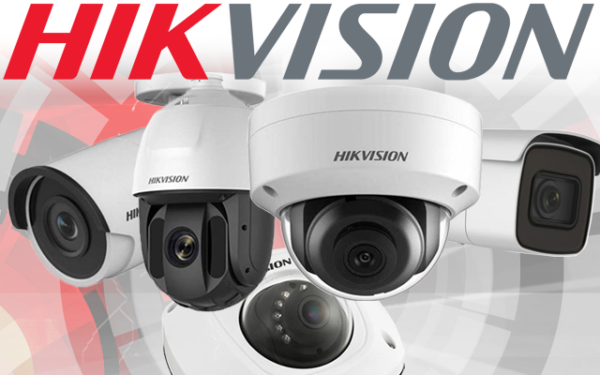
What Can Be Included in a Domestic CCTV System?
Outdoor Cameras
Weather-suitable cameras can cover entrances, driveways, garden access and outbuildings. The mounting point, viewing distance and exposure influence the choice.
Night Coverage
Low light, security lighting and reflective surfaces can alter the image. Night performance should be tested against the real scene.
Local Recording
A recorder can retain footage for later review. Storage is planned around camera count, resolution, recording mode and desired retention.
Phone and Tablet Viewing
Compatible systems can allow authorised household members to view cameras and recordings through a secure app and suitable internet connection.
Movement Notifications
Selected setups can issue alerts for configured activity. Careful settings help reduce notifications caused by ordinary movement.
System Maintenance
Cameras, recording, playback and remote access can be checked when an existing system becomes unreliable or no longer covers the right areas.
Avoid these common problems
Why Some Home CCTV Footage Is Not Useful
The camera is mounted too high.It sees the top of a head or a broad scene but misses identifying facial detail.
Bright light dominates the image.A lamp, headlight or strong backlight can reduce detail in the area that matters.
The recorder is undersized.Footage is overwritten sooner than the homeowner expected.
Nobody knows how to use playback.The cameras record, but the relevant clip is difficult to find or export.

View Your Home CCTV Remotely
Remote access is one of the most useful features of modern domestic CCTV. It can let authorised users check a live image, review activity and confirm what is happening at the property while away.
The system must be compatible and the home needs an adequate internet connection. Secure setup matters too. Default credentials should not be left in place, access should be limited and old phones should be removed when they are no longer used.
Orbit Security can configure compatible devices during installation and show household members how to move between live viewing and recorded footage.
Domestic CCTV Installation: What to Expect
1. Home Review
We discuss your concerns and identify entrances, approaches and vulnerable areas.
2. Camera Plan
Each proposed position is linked to a particular view and level of detail.
3. Installation
Cameras, cables and recording equipment are fitted and configured for the agreed system.
4. Handover
Images, playback and remote access are tested, followed by a practical demonstration.
Should You Repair, Expand or Replace Existing CCTV?
Repair or Targeted Upgrade
A single failed camera, damaged connection, incorrect setting or phone-access problem may not justify replacing the whole installation. We can assess the system and identify what is causing the fault.
If the recorder has spare capacity and the existing technology is compatible, adding a carefully positioned camera may also be possible.
Replacement System
Replacement becomes more practical where equipment is unreliable, image quality no longer meets the need, components are incompatible or the recorder cannot support required storage and cameras.
The condition of the system should be established before making that decision.
Home CCTV is not the same as an intruder alarm. Cameras provide images and recordings, while an intruder alarm detects configured activity and raises an alert. Many homes use both for different reasons.
Domestic CCTV FAQs
How many cameras does a typical home need?
There is no reliable standard number. The answer depends on entrances, side access, garden layout, detached buildings and the detail required from each view.
Can home CCTV record at night?
Suitable cameras can provide night coverage, but real performance depends on distance, lighting, reflections and positioning. Those conditions should be considered during planning.
Can I watch my cameras on my phone?
Yes, with a compatible CCTV system, suitable internet connection and secure access configuration. Authorised users can be shown how to view live and recorded footage.
How long is CCTV footage stored?
Retention varies with the recorder capacity, number of cameras, image settings and recording mode. Storage should be specified around the household’s requirement.
Can domestic CCTV cover a shed or garage?
It often can. The distance from the house, available cable route, power and network arrangement help determine the right installation method.
Can you service an older home CCTV system?
Yes, subject to the equipment’s condition, compatibility and available access. An assessment will show if repair, a targeted upgrade or replacement is the sensible option.
Do I need to think about privacy?
Yes. Homeowners should position and use cameras responsibly, keep footage secure and understand any data-protection duties that apply if areas outside their own property are captured.
Discuss a Domestic CCTV System
Tell us about your home, the access points that concern you and any cameras already installed. We can then arrange the right next step.
CCTV must be used responsibly. Property owners and organisations should understand the data-protection obligations that apply to their particular use of cameras and recorded footage.